
Gluten-Free Dairy-Free Shortbread
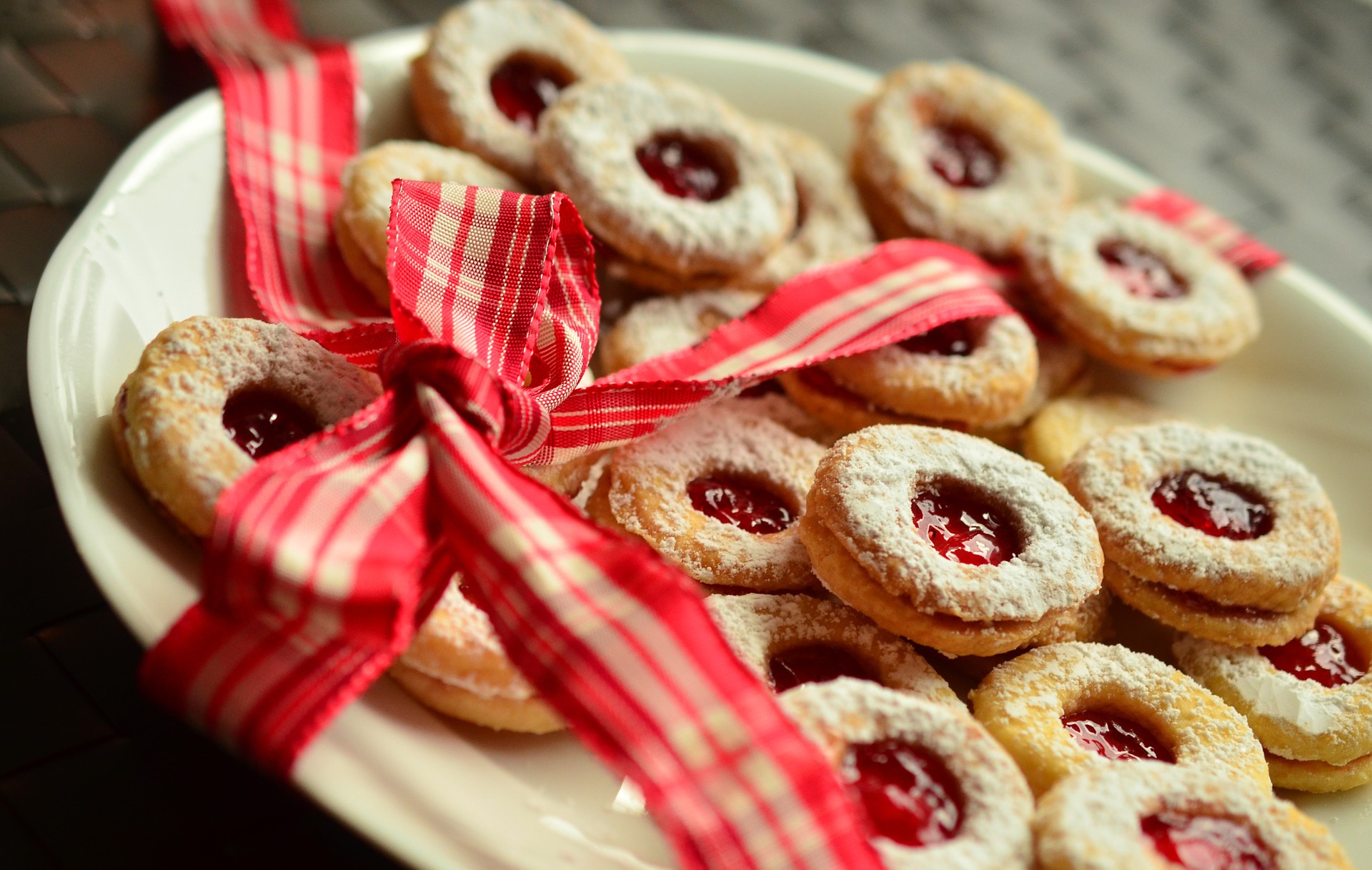
Gluten-free Shortbread
Prep Time 15 minutes
Cook Time 30 minutes
Total Time 45 minutes
Yield: Two rows of round cookies or
one row of square cookies. Servings 24
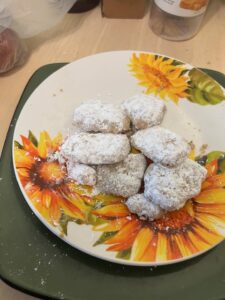
How to Make the Best Gluten-Free Shortbread
Trim them in
Our Healthy Vegan Frostings
Gluten-Free and Dairy-Free Shortbread. For a gluten-free
and dairy-free shortbread, replace (the traditional butter) with your
favorite dairy-free butter for baking. I use cold coconut oil.
If the dough seems too soft, add a tablespoon or so of additional
gluten-free flour and chill the dough for 30 minutes before baking.
Ingredients
1 cup softened coconut oil (about 68℉) (8 ounces; 198 grams)
1/2 teaspoon salt
¾ cup powdered sugar
1 teaspoon vanilla extract
2 cups gluten-free oat flour
½ cup Tapioca flour
1-3/4 tsp. guar or xanthan gum
Instructions
Preheat oven to 325°F.
Combine softened coconut oil, granulated sugar, and salt
in the bowl of a stand mixer or in a large mixing bowl.
Mix until thick and creamy, about one minute.
Use high speed with a handheld mixer and medium-high
speed on a stand mixer. Stop the mixer and scrape the
bottom and sides of the bowl. Add the vanilla extract.
Mix for an additional minute.
Add the gluten-free flour.
This gluten-free shortbread recipe makes cookies that are
rich and flavorful. They’re not too sweet and the texture is
wonderful: slightly crumbly in the best way. The cookies are
egg-free and can be made dairy-free.
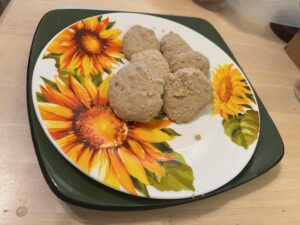
Gluten-free shortbread cookies are rich, buttery, and only
require five ingredients to make. Unlike classic gluten-free
sugar cookies, shortbread is naturally egg-free. The coconut
oil and vanilla are the real stars of the show here. The dough
contains just enough gluten-free flour to hold everything together.
How to Make Gluten-Free Shortbread Dough.
Steps for Success.
Gluten-free shortbread is a little tricky to make. Since it lacks
liquid, sometimes the dough can be crumbly. Here’s how to
make the perfect gluten-free shortbread dough every time.
1. Start with Softened Cold Coconut oil
The most important step in this recipe is using Coconut oil.
Aim for it to be about 65 to 68℉. You want the Coconut oil to
feel cool to the touch. If you poke it, look for the Coconut oil
to give a little resistance but not crack. If the Coconut oil is too
cold, the shortbread dough won’t come together. If the Coconut
oil is too warm, the cookies will spread during baking and turn
out greasy.
2. Mix the Sugar Just Until Creamy, Not Fluffy.
The texture of shortbread cookies is one of the things that sets
them apart from other butter-based cookies. It’s dense and
almost sandy. To achieve this lovely texture, blend the Coconut
oil with the sugar until it’s thick, but not fluffy. If the oil-sugar mixture
gets fluffy, like it does for gluten-free pound cake, it traps air.
That’s makes it fluffy. (That air causes the cookies to puff and
rise, which we don’t want).
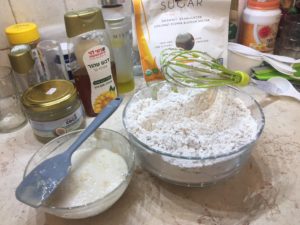
Simply mix the room-temperature Coconut oil with the sugar
and salt until its thick and creamy. This only takes about a minute.
It’s a good idea to stop the mixer and scrape the sides of
the bowl with a . There’s usually a layer of oil clinging to the
bowl. Mix this in with a spatula so there aren’t streaks of
Coconut oil in the finished cookies.
3. Make the Dough.
Since these cookies contain no eggs or liquid ingredients,
there’s no moisture to coax the ingredients quickly into a dough.
Once the dry ingredients are added to the oil and sugar,
it takes a minute or so for a dough to form.
4. Shape the Dough.
From baking the cookies right in a pan to using your
favorite cookie cutter, you’ve got options when it comes
to shaping these cookies.
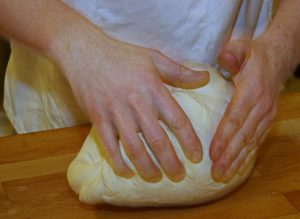
Gluten-free shortbread dough rolled into a log.
To make “slice and bake” shortbread cookies, divide the
dough in half. Roll into a log about 2 to 2¼ inches across.
Slice it into rounds. If the dough crumbs when you cut it, gently
press it into a round on the cookie sheet.
Cut Gluten-free shortbread cookies into rounds.
using a Cookie Cutter.
You can use cookie cutters with this dough. Since it spreads
a little during baking, basic shapes like rounds, rectangles,
and stars work best.
To use a cookie cutter, dust your counter
with gluten-free flour. Roll the dough out to about 1/4-inch thick.
Dip your cutter in gluten-free flour and cut.
After cutting out the shapes, gather the remaining dough and
re-roll. Since these cookies are gluten-free, they won’t get tough
when re-rolled. If you notice the dough is warm after working
with it, chill for 20 minutes before re-rolling.
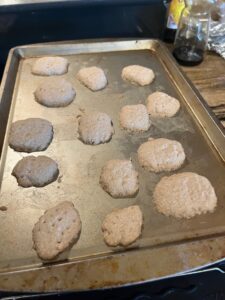
Bake on an Ungreased cookie Pan.
Gluten-free shortbread dough press into a pan
and score into squares.
The easiest way to shape shortbread cookies is to roll the
dough into a 9×13-inch rectangle and slice into strips with a
pizza cutter.
Line the pan(s) with parchment paper and do not grease.
I like to make rectangles.
5. Poke Before Baking.
Whatever method you use to shape the cookies, it’s
important to poke the tops gently with a fork. These tiny
holes help the steam to escape during baking and keep
the cookies from bubbling. To do this, press a fork gently
into the tops of each cookie. There’s no need to press
all the way through the dough. This might crack it. Instead,
press the fork about halfway through the dough.
6. Bake Until Set
Shortbread cookies are baked at a lower temperature than
most cookies. This low temperature keeps the cookies pale
in color and gives them that delicate texture.
So how do you know when the cookies are done? Look for
the edges to be a very light brown. The cookies should look
set. If they seem shiny or appear dough-like, bake them a
little longer. Small hairline cracks often appear on the surface
of gluten-free shortbread cookies. This is normal and nothing
to worry about.

7. Cool.
Cooling is an important step for these cookies. Since they’re
so buttery, they can crumble when warm. If you make individual
cookies, transfer them to a wire rack to cool. If you bake your
shortbread in a pan, cool them in the pan for at least 30 minutes
and then remove them.
Gluten-free shortbread cookies crumble if too hot
when cut. After baking, let the cookies cool in the pan.
If you try to move them or cut them right after baking,
they’ll crumble.
Variations.
Gluten-Free Lemon Shortbread. Add the zest of one lemon and
one teaspoon of lemon extract to the dough.
Gluten-Free Chocolate Chip Shortbread. Replace the granulated
sugar with half granulated sugar and half light brown sugar. Add
6 ounces, about one cup, of chocolate chips or chopped dark
chocolate.

How to Store Gluten-Free Shortbread
Gluten-free shortbread dough and cookies are good “keepers.”
Here’s how to make them in advance and store them.
How to Store Shortbread Dough.
You can make the dough ahead and store it, tightly wrapped in
plastic wrap, for up to one week in the refrigerator, or 2 months
in the freezer.
Gluten-free shortbread dough gets very hard when stored in
the refrigerator. Let it come to almost room temperature before
rolling or it will crack. You can cut the cookies into rounds before
storing them. If you do, remove the cookies from the refrigerator,
place them on a parchment-lined baking sheet and bake them
in a preheated oven.
How to Store Baked Gluten-Free Shortbread Cookies.
Place the cooled cookies in an airtight container in the refigerator.
They can keep up to 5 days. They are very delicate and tend to
crumble if they are warm for several hours..
To freeze the cookies: place them into a freezer container.
You can separate layers with a piece of parchment or waxed
paper. Freeze the cookies for up to two months.
To thaw the frozen dough or cookies:
place on the counter for several hours.
Solving Common Gluten-Free Shortbread Problems.
My cookie dough isn’t coming together, what do I do?
Give it a squeeze. If your dough looks crumbly but easily
holds together when squeezed, press it into ball with your
hands or a sturdy spatula. Some mixers aren’t strong enough
Check the temperature. Cold gluten-free shortbread doesn’t
come together easily. If your dough feels cold to the touch,
let it warm for about 20 minutes and then try mixing again.
Add a tiny bit of water. If you’ve checked numbers one and
two and the dough still won’t come together, stop your mixer
and add two teaspoons of water. This should help it come
together.
Note: If after checking the oil temperature and adding water,
the dough still won’t come together, I’d check how much flour you
added. If you accidentally added too much, the cookie dough will
remain too dry.
If your dough is sticky and hard to roll, feel it. If the dough
feels warm or at room temperature, cover it and chill it in the
refrigerator for 30 minutes. If the dough feels cool, add a
tablespoon of additional gluten-free flour.
The dough is firm and hard to roll.
If your dough is cracking and hard to roll, cover it and let sit
for 20 minutes. It might be too cold. If that doesn’t fix the problem,
add a teaspoon of water and mix until a dough forms.
The Cookies Spread.
These shortbread cookies should hold their shape during baking.
If they spread into thin cookies, a few things could have happened.
The oil might have been too warm. If you make the dough with
very soft oil, or the dough warms up (gets squishy) before baking,
the cookies can spread.
Next time, keep the oil at room temperature. If the dough
gets warm before baking, chill it for about 15 to 20 minutes
before baking the cookies.Too much liquid was added.
(More than about two teaspoons) of liquid can cause the
cookies to spread.
The gluten-free flour. Each brand of gluten-free flour bakes
differently. I tested this recipe with Bob’s Red Mill 1:1
Gluten-Free Baking Flour. Be sure your blend contains xanthan
or guar gum. This is key to helping the cookies hold their shape.
Measuring mistake. It happens to even the best baker:
a measuring error. If the cookies didn’t have enough flour
or contained too much oil, they will spread.
Gluten-Free Shortbread
This gluten-free shortbread recipe makes cookies that are
rich and flavorful. The texture is wonderful: slightly crumbly
in the best way. The cookies are egg-free and can be made
dairy-free.
For slice and bake cookies: divide the dough in half. Dust
your counter with gluten-free flour. Knead the. dough a few
times until smooth. Then roll out into a log, about 2 inches in
thick. Place the cookies onto a parchment-lined baking sheet,
about 1 inch apart.diameter.
For cut-out cookies: Lightly flour your countertop.
Turn dough out onto counter and shape dough into a disk.
Using a rolling pin, roll dough out, about ½-inch thick. Use
a sharp knife and cut into rounds, about ½-inch
Cut into shapes. Dip your cutter into gluten-free flour to keep
the dough from sticking to the cutter. Place the cookies onto a
parchment-lined baking sheet, about 1 inch apart. Gently knead
leftover dough into a ball and re-roll. If the dough gets warm,
chill it for about 20 minutes.
For a pan of cookies: Lightly grease one 9×13-inch pan or
two 8-inch round pans. Line with parchment paper. Press
dough evenly into the pan. Score into 24 cookies for the
the 8-inch round pans. each for (9×13-inch pan and cookies
and about 8 trianglesPoke small holes into the tops of each
cookie. Do this for the slice and bake, cutouts, and pan of
cookies. You want about three rows of holes per cookie.
Gluten-free shortbread dough mixed in a stand mixer
comes together differently than if mixed with a handheld mixer.
Shortbread dough can look incredibly crumbly and refuse to
come together when you use a handheld mixer. This happens
because of the shape of the beaters and the power of the mixer.
In fact, if you’re using a handheld mixer, you might think there’s
something wrong with the recipe at this point.
If you’re using a handheld mixer and you notice the dough is
sandy or crumbly, stop the mixer. Give the dough a squeeze.
If it easily holds its shape, stop using the mixer. Press the
dough into a ball with your hands or a rubber spatula. I do
this right in the mixing bowl. You can also turn the dough onto
a lightly floured counter and knead it a few times.
If you squeeze the dough and it doesn’t hold its shape, add
one teaspoon of water. After you add the water, the dough still
might appear crumbly. That’s fine. Give it a squeeze. It should
come together.
The exception to this is if the oil is very cold. If the dough
is cold, let it warm up and try mixing again.



You must be logged in to post a comment.